Kashmir
Kashmir
Kashmir
Kashmir
Kashmir
Kashmir
Kashmir
Kashmir
THE GRIEF OF ONE SIDE

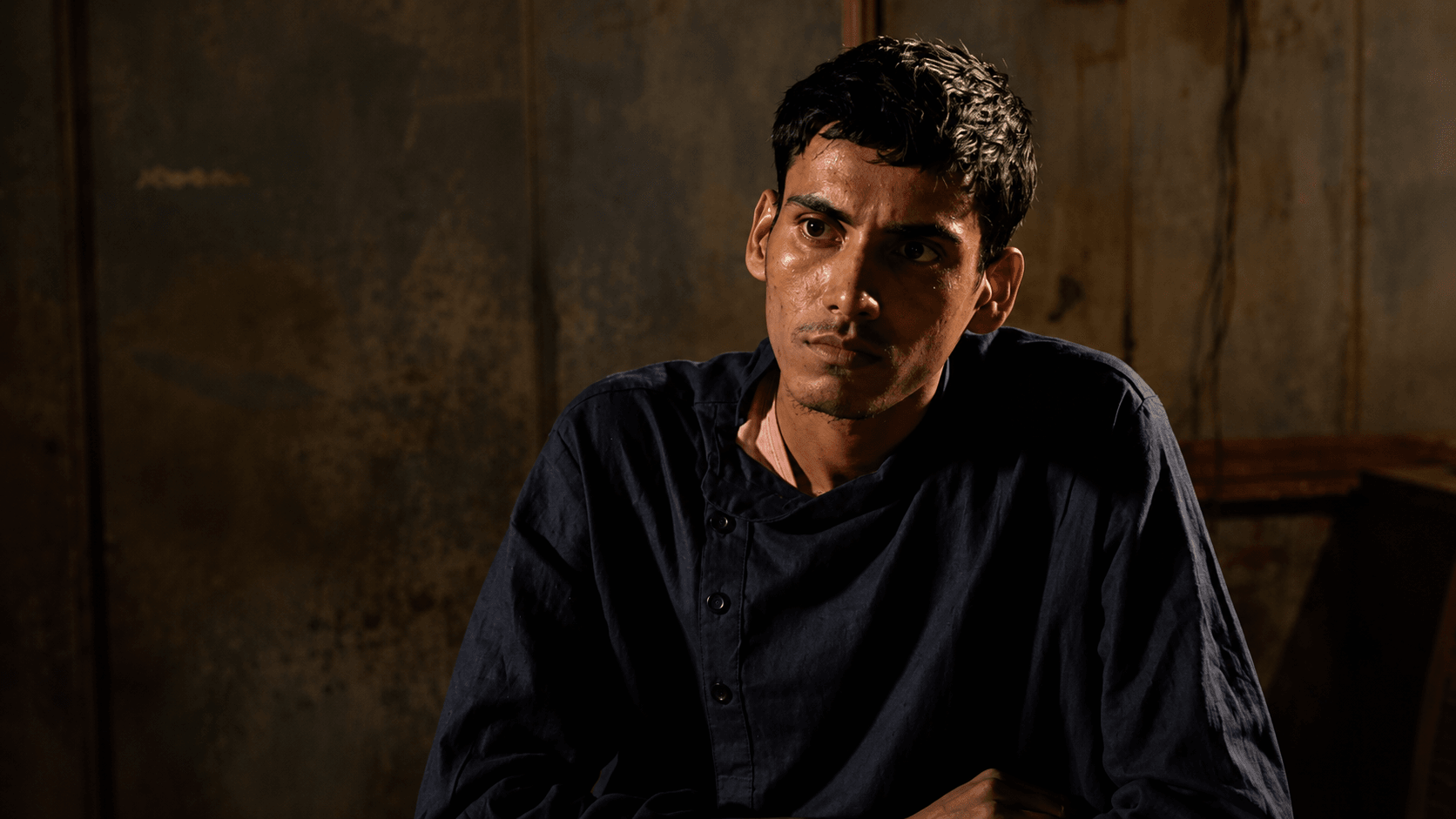
Mothers of the Misguided

They raised sons in a valley that promised them nothing. Boys who were handed a gun and a cause they barely understood. Families who spent decades not knowing whether their child chose a path — or had one forced upon them. Their grief is not celebrated. Their loss is not counted.

THE VALLEY IN BETWEEN

Kashmir

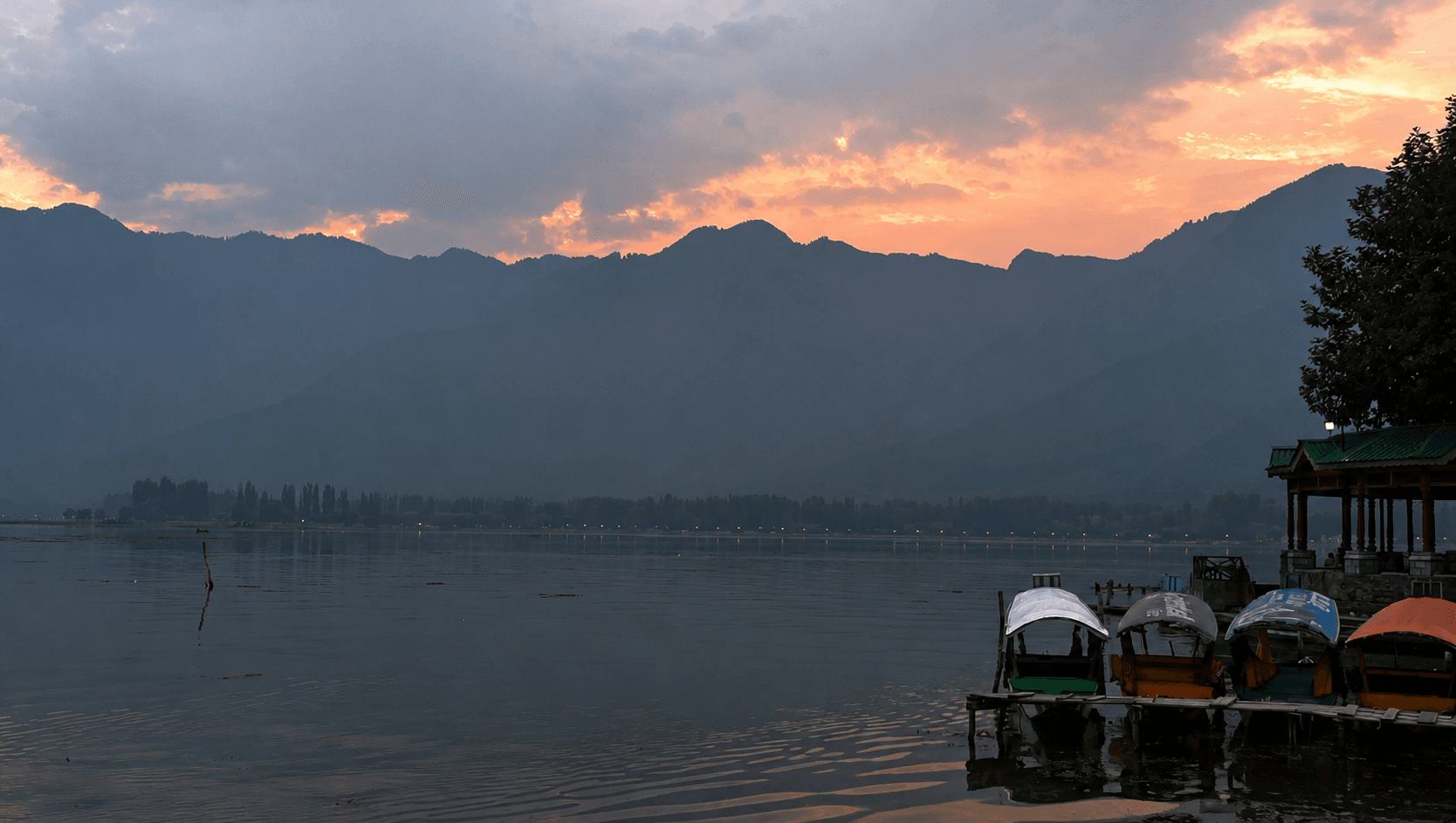
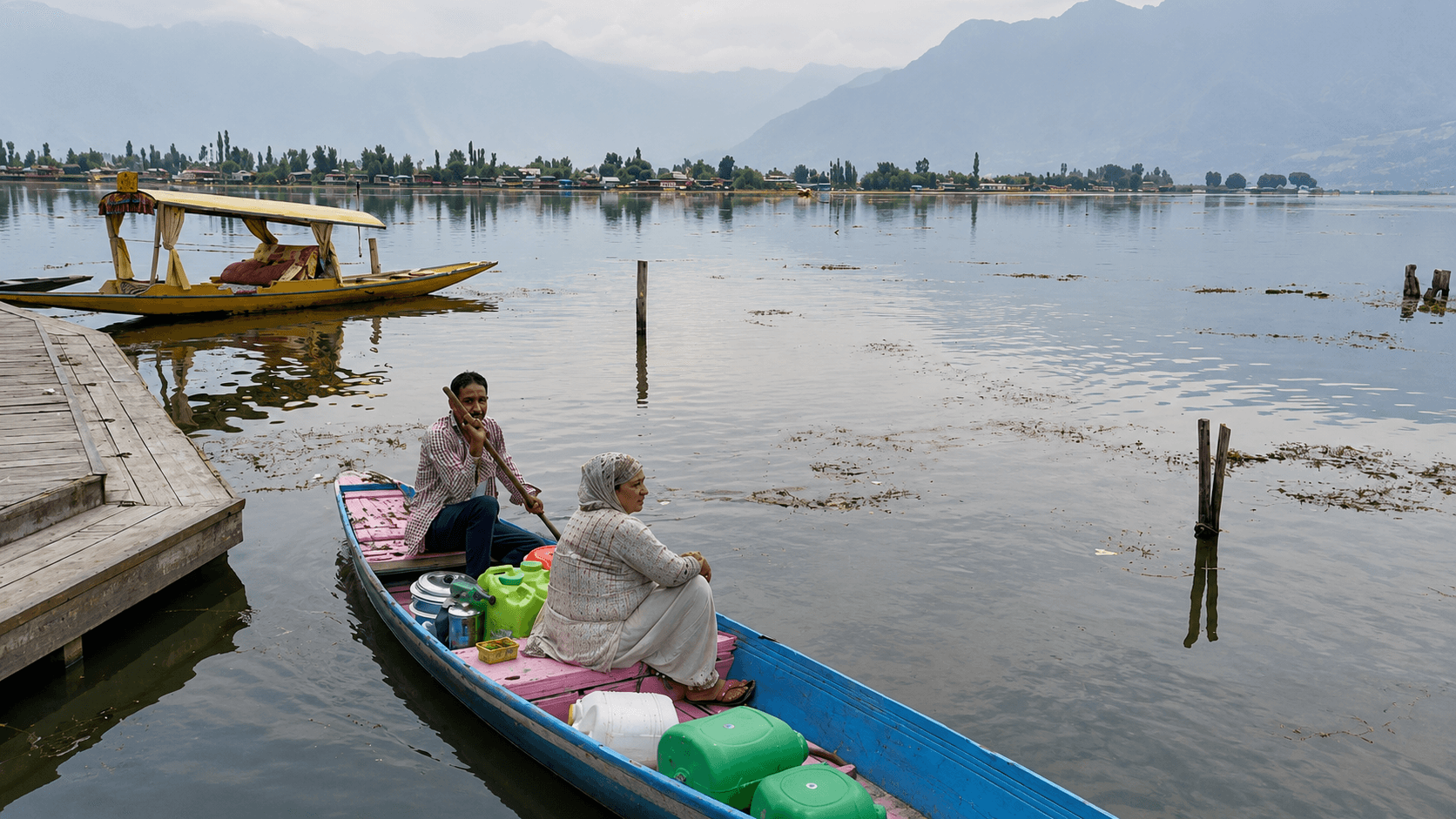
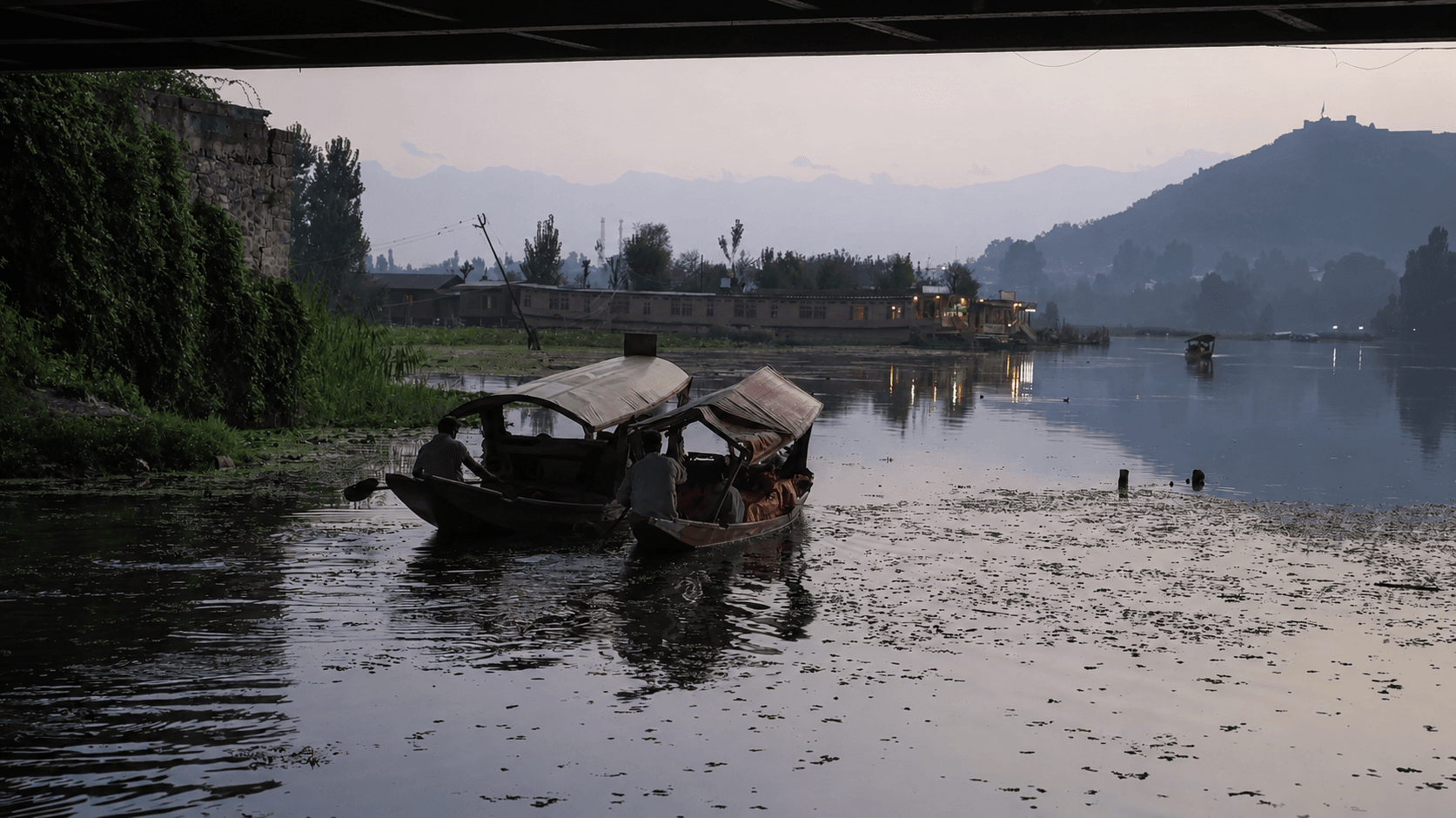
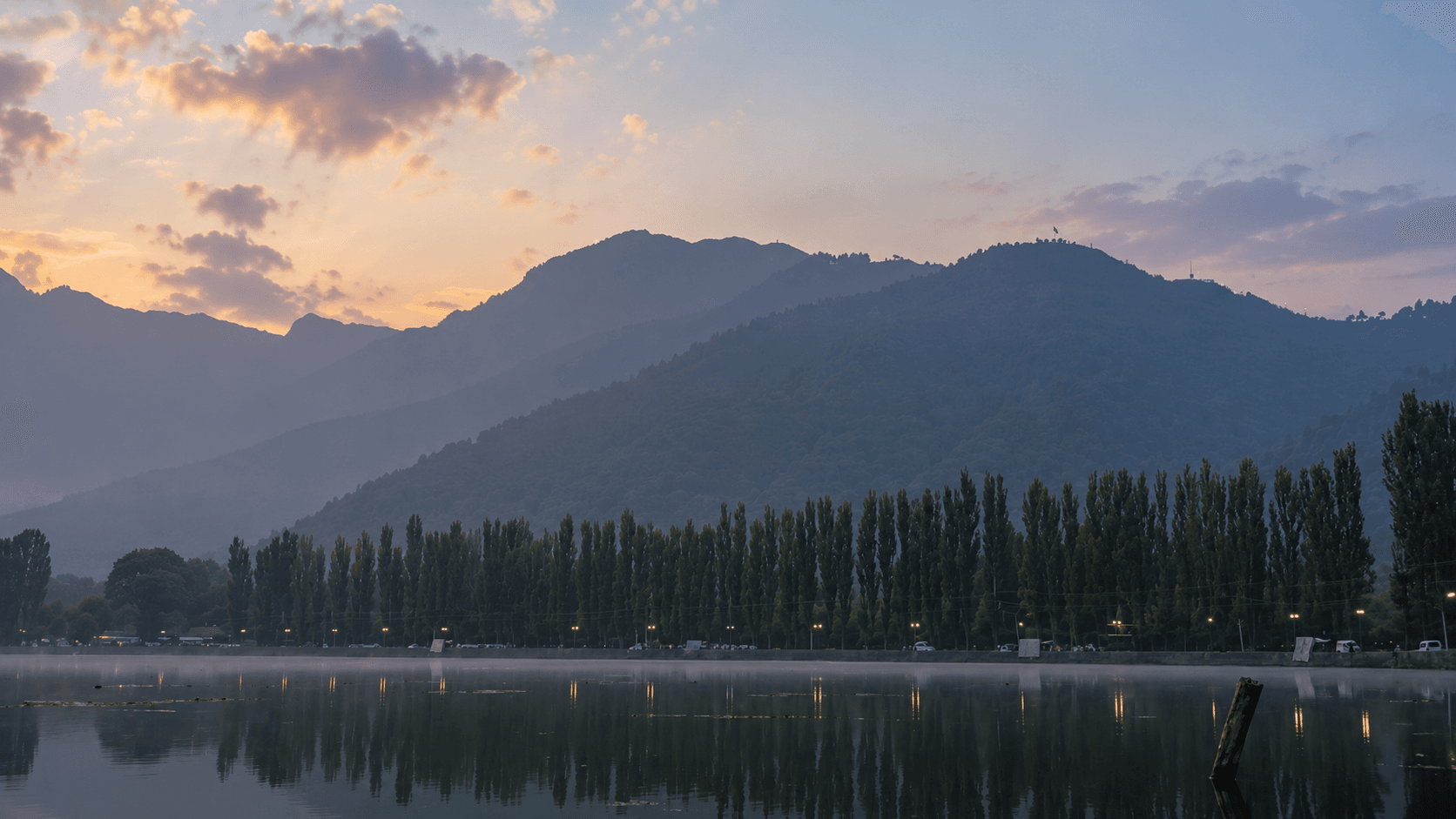
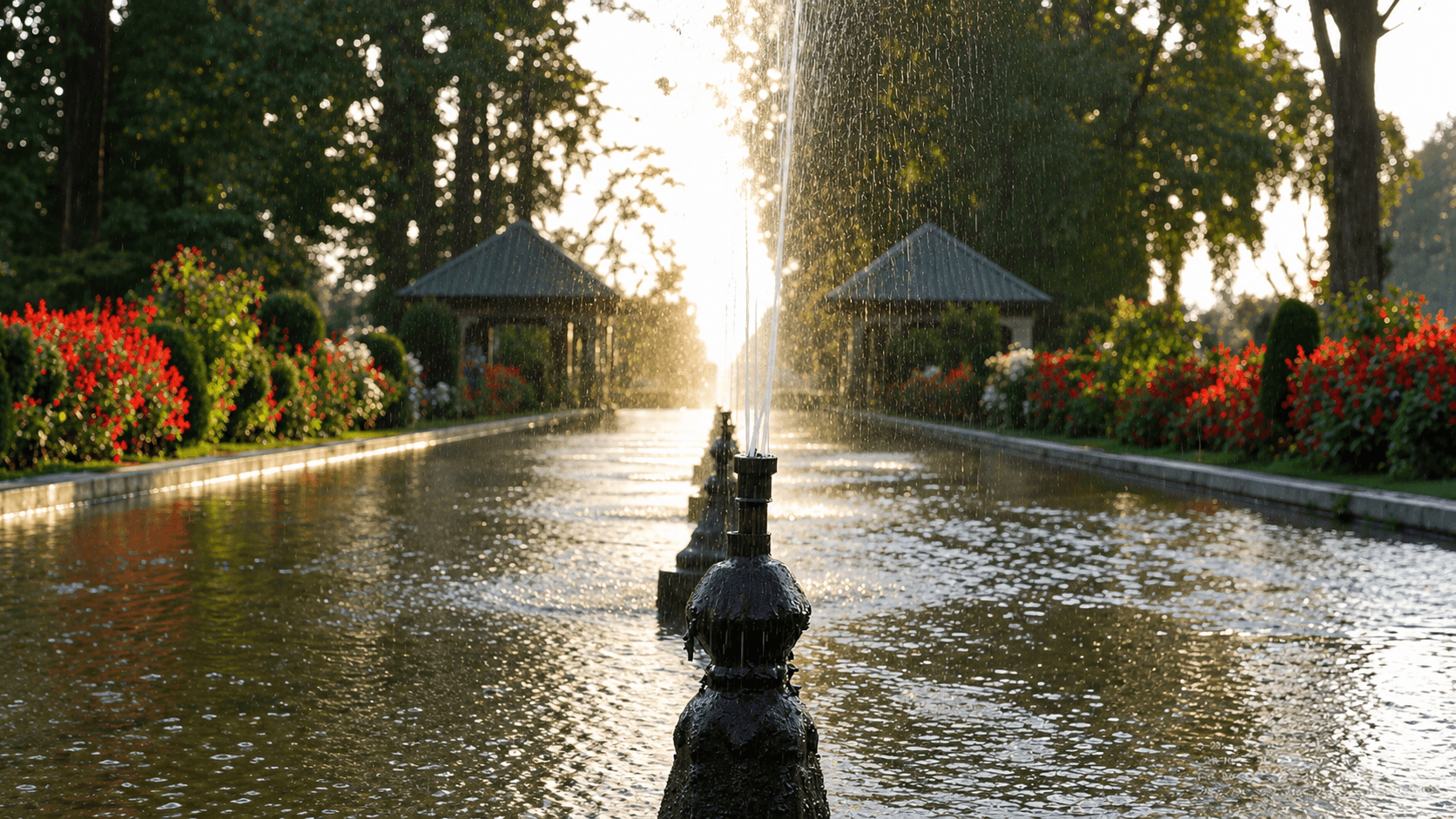
Dal Lake at dusk. Chinar trees turning gold in October. Saffron fields blooming in Pampore. Houseboats reflected in still water at dawn. A place of extraordinary, heartbreaking beauty — held in an extraordinary, heartbreaking wound.

THE GRIEF OF THE OTHER

Fathers of the Fallen

Sons who wore a uniform and believed in something. Who came home draped in a flag their families were told to be proud of. Parents who wake each morning to a photograph that will never age. The state called it duty. They call it loss. Both are true.

A FILM BY RIG 360 MEDIA

Kashmir

— Fighting for Peace
Two truths. Same sky. Same soil.

2026DocumentaryRig 360 Media
Scroll
Waves Film Bazaar 2026Selected For

Documentary · Kashmir · 2026

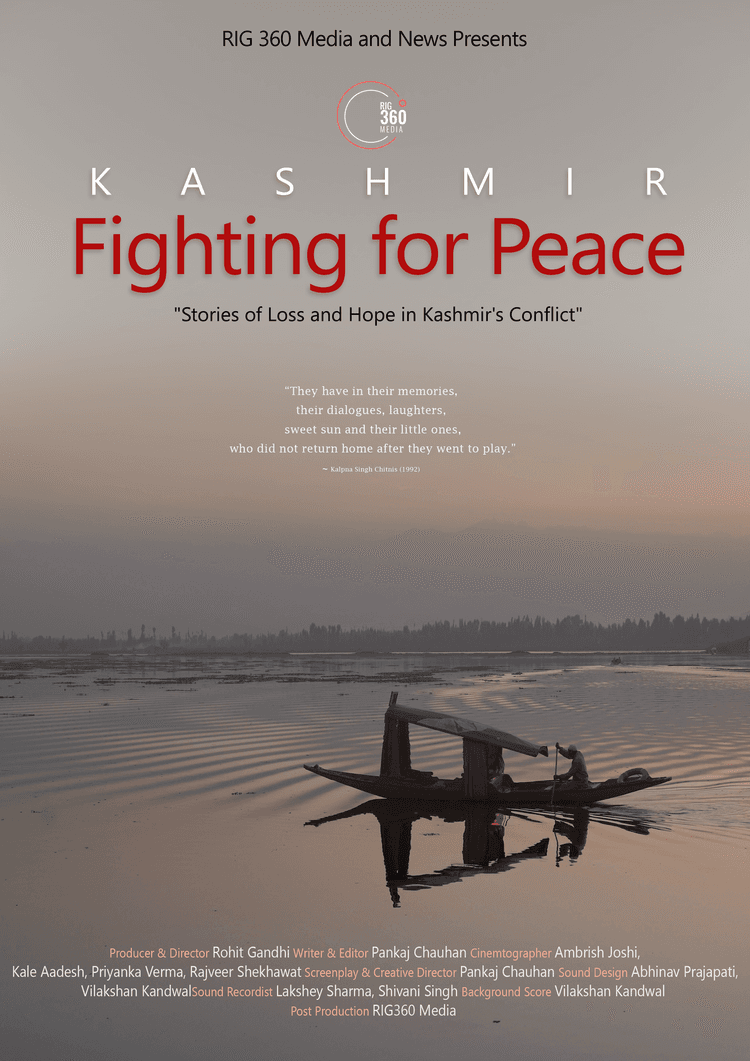
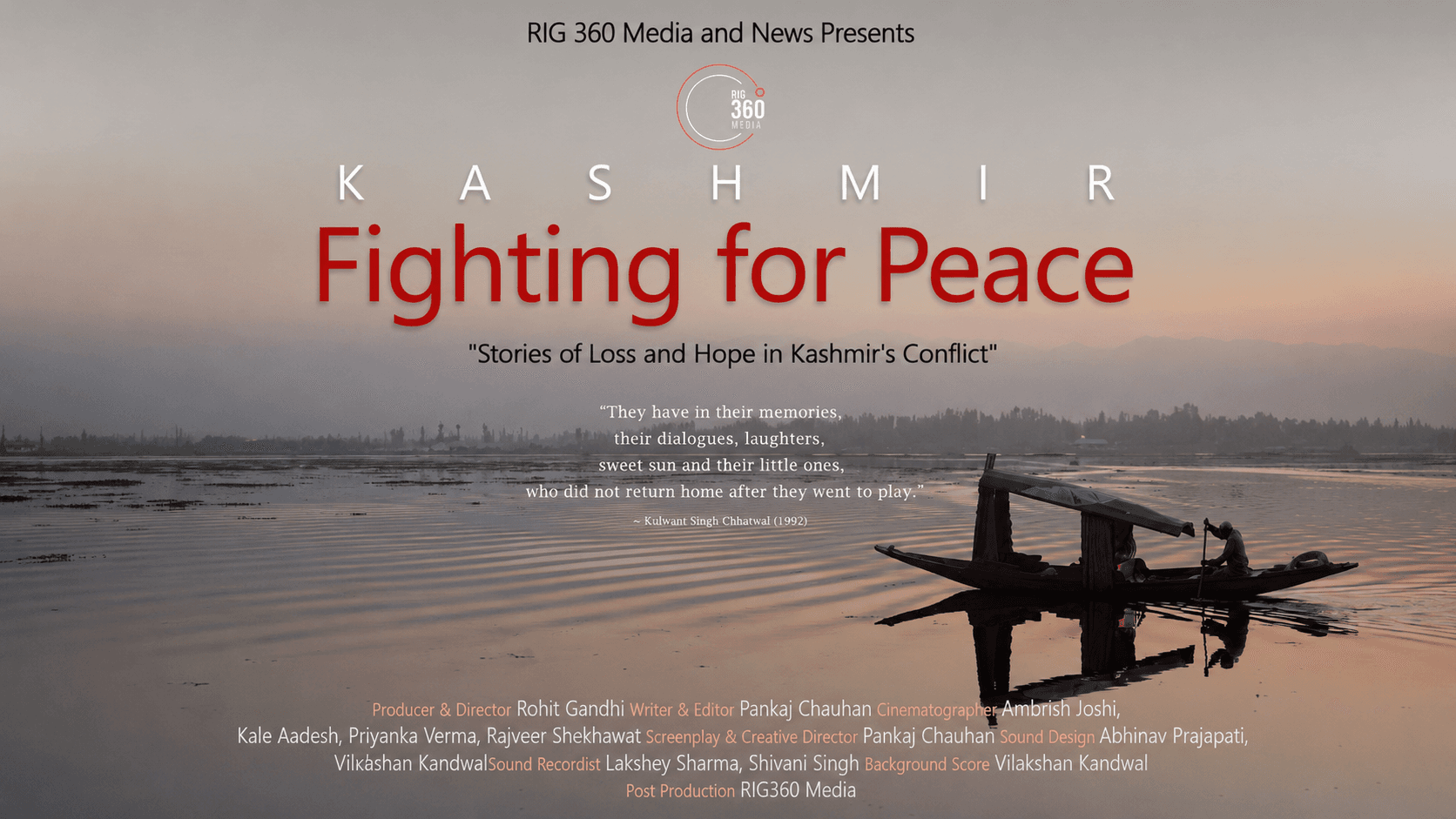
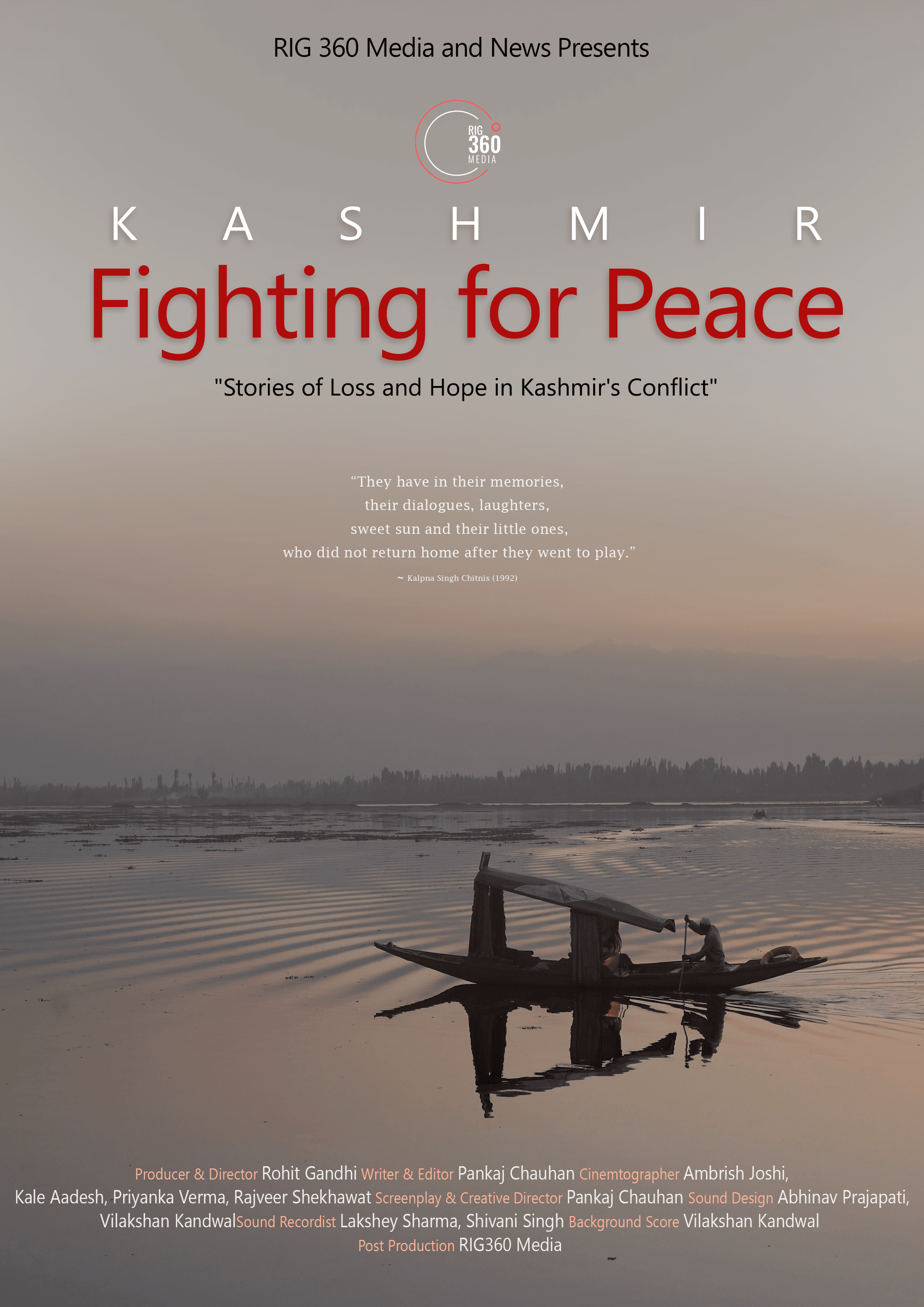
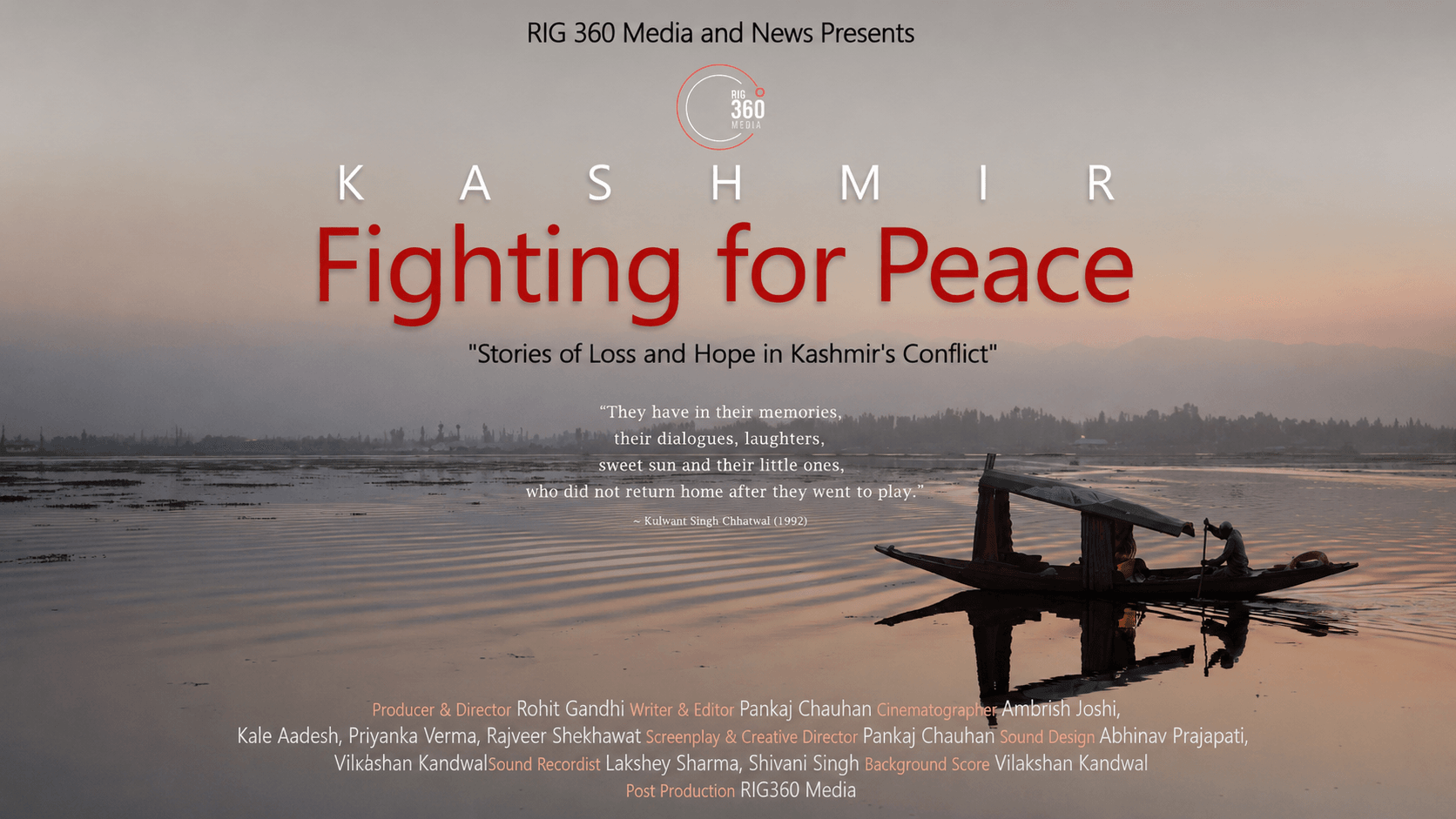
Kashmir — Fighting for Peace — film poster

A witness, not an argument.

It places ordinary human beings in front of the lens and asks them to speak. Then it listens.

A conflict covered from the outside for decades. This film was made from inside.

Director and Producer
Rohit Gandhi

Some lives you will not forget.

Their stories are inside the film.

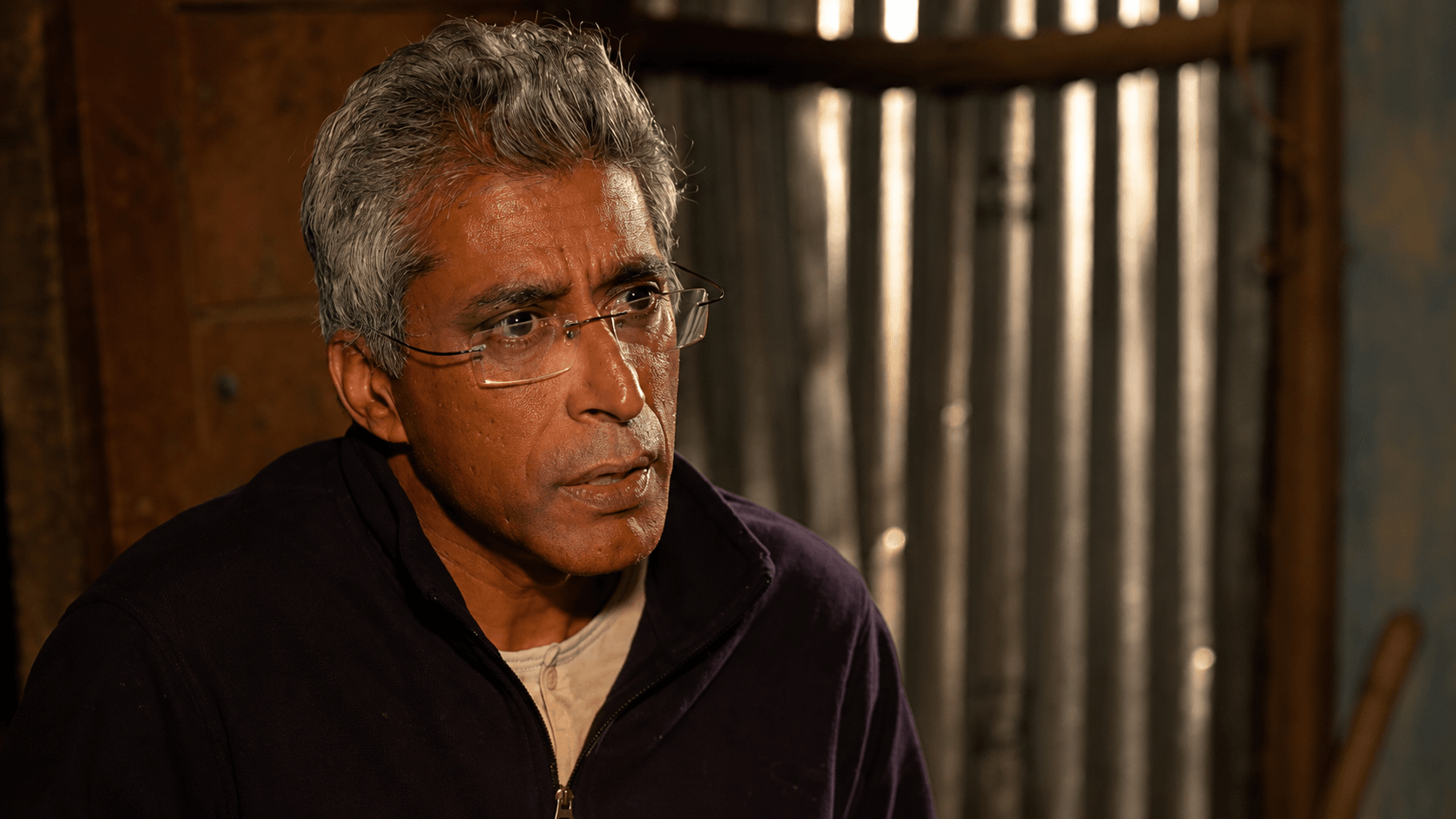
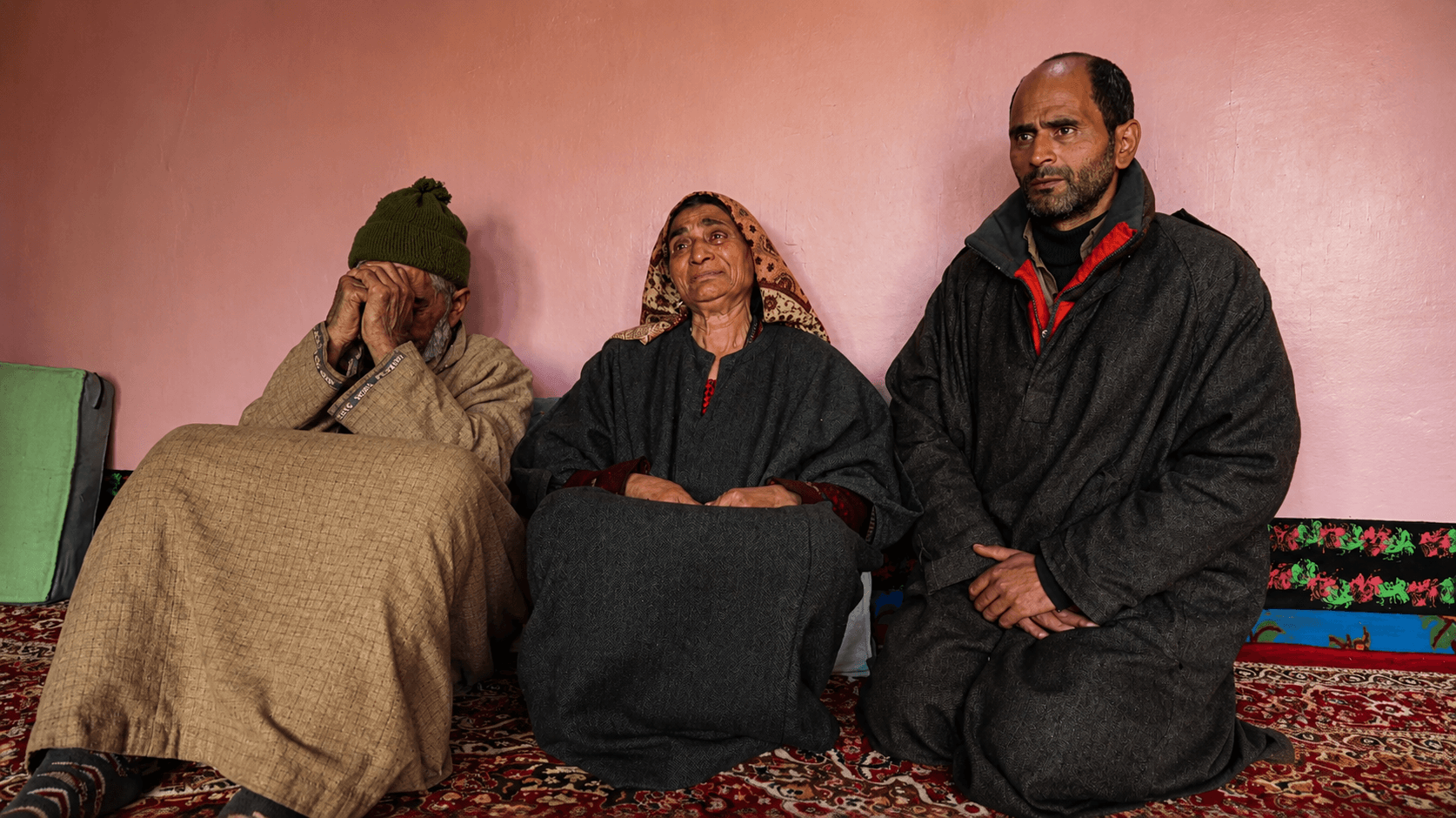
The Deceived

He came with certainty. Something happened to the certainty.

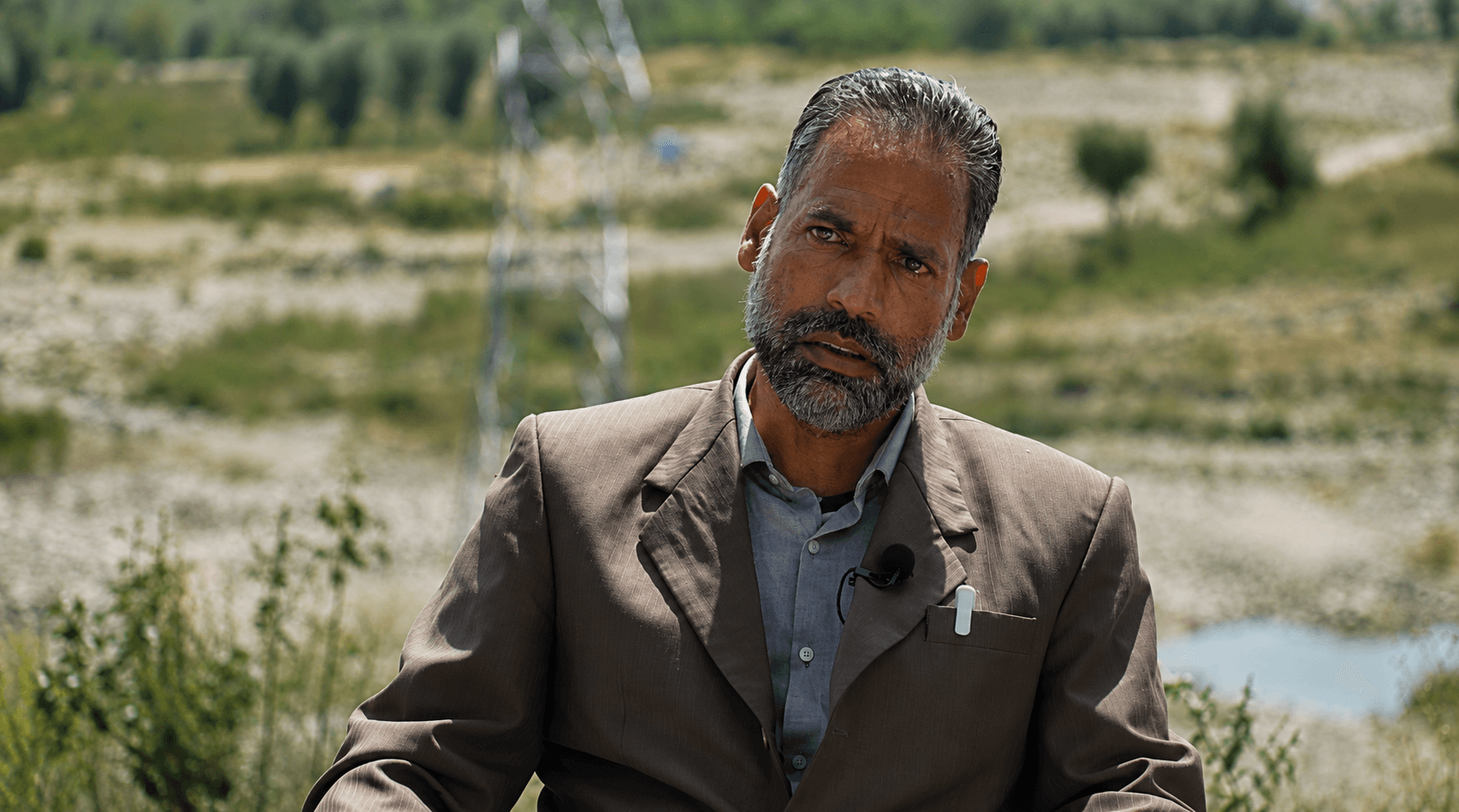
A Father, Waiting

His son called once. Said he couldn't come back.

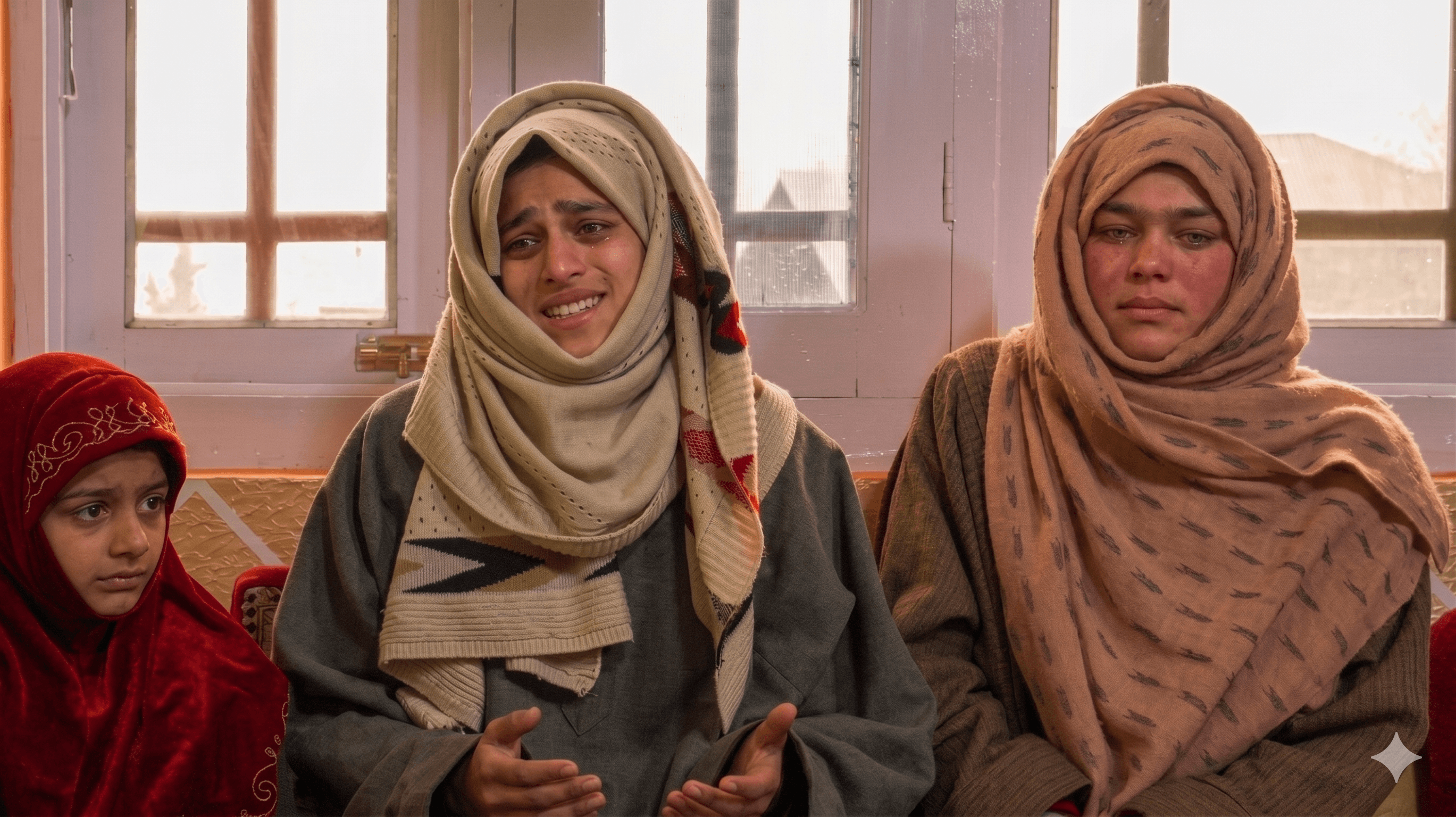
A Mother

Every day, the same question. Every day, no answer.

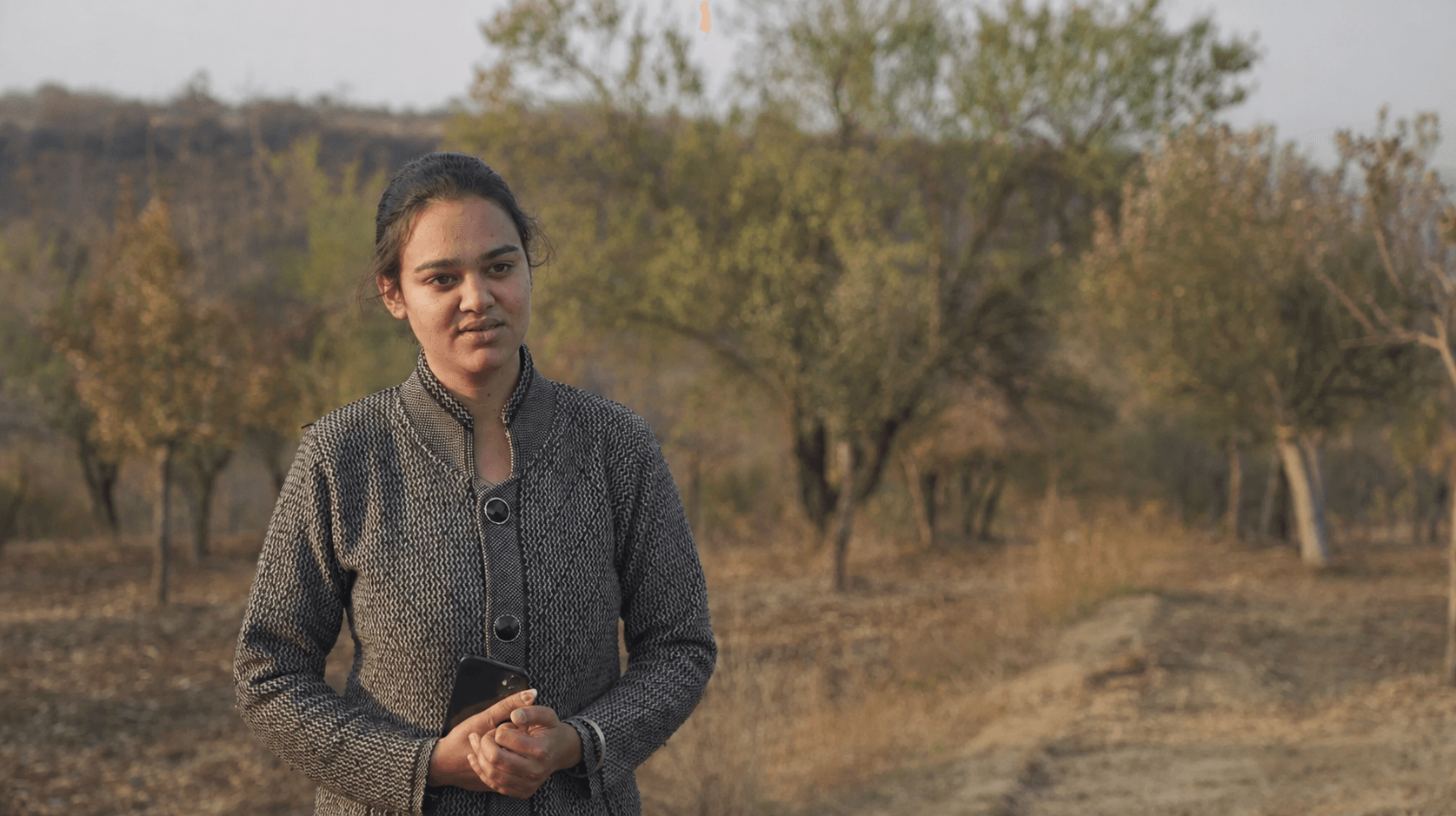
A Daughter

She speaks about what happened to her father without shelter.

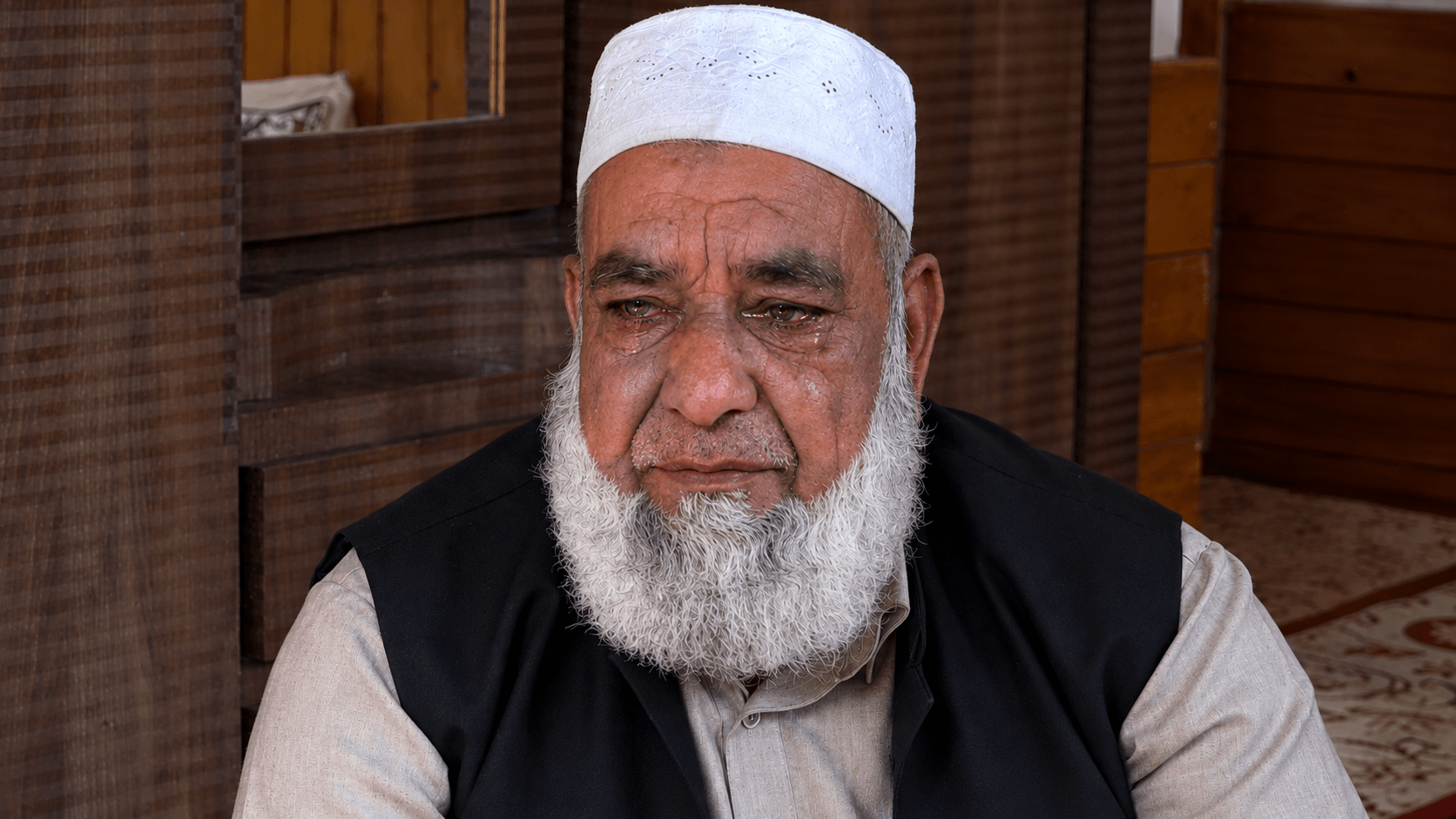
A Father, Undone

He describes his son with love. Then describes what he now hopes for his son.

Girls on Bicycles

A cycle rally through Kashmir. The girls talk about wanting ordinary lives.

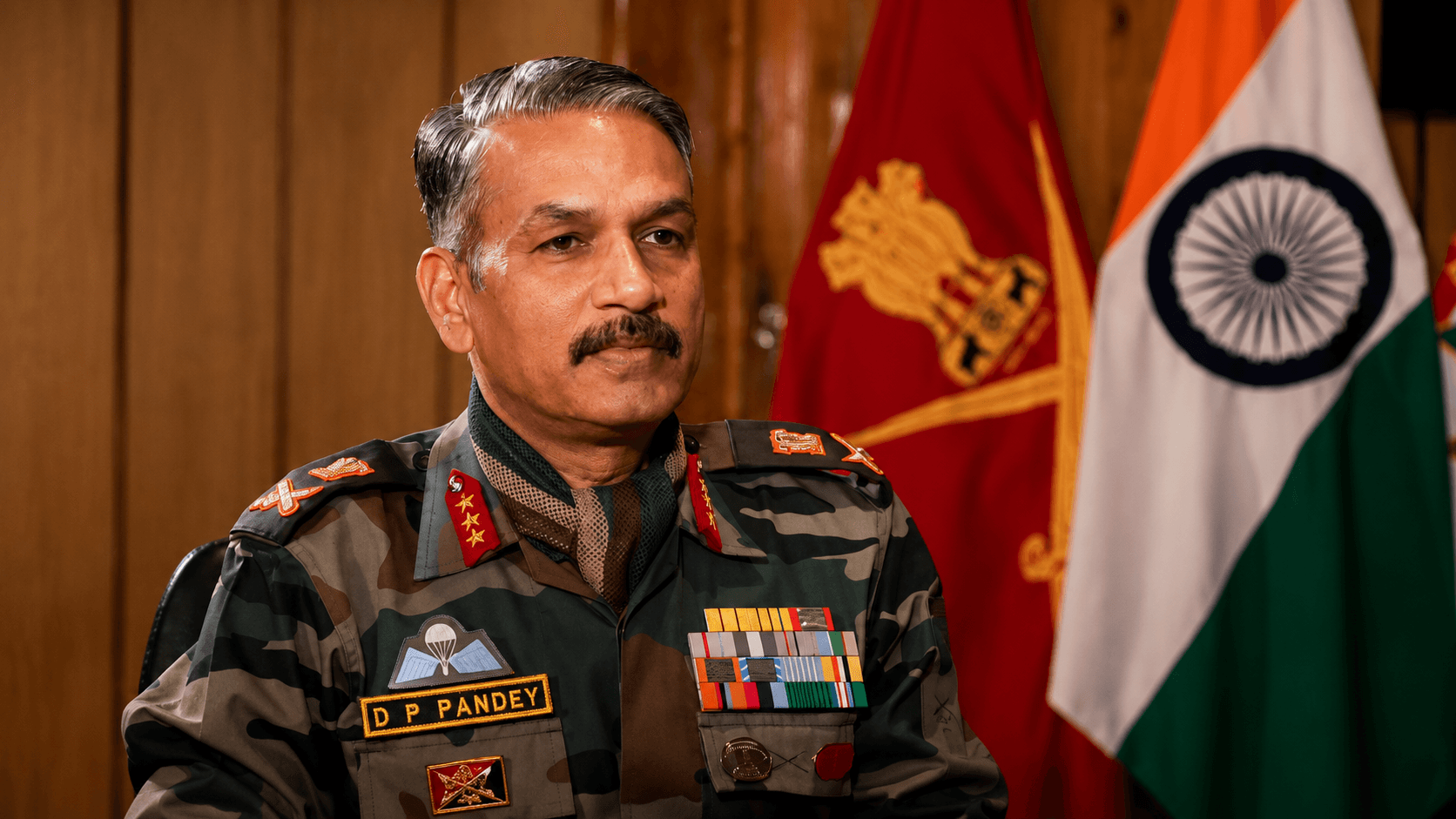
An Army Officer

The numbers do not interest him. He speaks about what comes before.

A Police Officer

He was trapped once. He has been going back to that day ever since.

This conflict happens at intersection of territory, religion and language divide.
Kashmir — Fighting for Peace

₹299 · Lifetime access

Secure payment · Airpay · Instant access

Rig 360 Media

Kashmir — Fighting for Peace

Kashmir — Fighting for PeaceKashmir — Fighting for Peace
THE UNTETHERED JOURNALIST
THE DECEIVED
THE WAITING FATHER
A FATHERLESS WORLD
A MOTHER'S STOLEN SON
THE COST OF THE UNIFORM
THE HEAVIEST SHOULDER
THE WAR BEYOND THE TRIGGER
THE FINAL RESORT
Line of Control
Two Truths · Same Sky · Same Soil
THE UNTETHERED JOURNALISTJourneying past the headlines to touch the open wounds

A relentless voyager seeking the unvarnished truth, navigating the fog of a fractured land to become a quiet vessel for its untold grief. Sitting face-to-face with shattered victims, a captive militant, and the weary guardians of Kashmir, this journey is a profound excavation of the human soul. With every steady question, the broken threads of the valley are woven together — bridging the agonizing chasm between those who bleed to protect it, those manipulated to destroy it, and those left mourning in the dark.

"Beyond the curated broadcasts lies a forgotten landscape where grief wears no single uniform."

"My lens sought to understand the chaos, but captured instead the tragic portrait of a people bleeding from within."

Truth is the echo that remains long after the gunfire fades.

Kashmir Research Archive700 Years. One Valley. No Easy Answer.
40
EVENTS
12
SOURCES
1339–2026
YEARS
Filter:
ERA I · 1339 – 1845

Before the Wound

For five centuries Kashmir lived through dynastic change yet retained its cultural continuity. The valley was ruled by locals, Mughals, Afghans and Sikhs in turn — but never partitioned, never sold.

"A land of gardens and scholars, passed between empires but never divided against itself."
Cultural
Shah Mir Dynasty Founded

Shah Mir establishes the first Muslim sultanate in Kashmir, ending centuries of Hindu and Buddhist rule. For 222 years, six successive dynasties will govern the valley, weaving Islamic traditions into the Kashmiri cultural fabric that endures to this day.

Cultural
Mughal Conquest of Kashmir

Emperor Akbar annexes Kashmir into the Mughal Empire after two earlier failed attempts. His son Jahangir later calls it 'paradise on earth.' The Shalimar and Nishat Bagh gardens are built on Dal Lake. Beauty becomes an instrument of empire.

Political
Afghan Durrani Rule Begins

Ahmad Shah Durrani's Afghan empire wrenches Kashmir from the declining Mughals. Six decades of Afghan rule follow — remembered in Kashmir as a period of harsh extraction, forced conversions, and deep impoverishment. The memory shapes Kashmiri identity.

Political
Sikh Conquest under Ranjit Singh

Ranjit Singh's Sikh Empire takes Kashmir from the Afghans. The valley becomes the empire's prized summer territory. Sikh rule lasts 27 years — until the British defeat the Sikh armies in two Anglo-Sikh wars and everything changes.

Shah Mir Dynasty Founded
1339
Cultural
SRINAGAR

Shah Mir Dynasty Founded

Shah Mir establishes the first Muslim sultanate in Kashmir, ending centuries of Hindu and Buddhist rule. For 222 years, six successive dynasties will govern the valley, weaving Islamic traditions into the Kashmiri cultural fabric that endures to this day.

Mughal Conquest of Kashmir
1586
Cultural
SRINAGAR

Mughal Conquest of Kashmir

Emperor Akbar annexes Kashmir into the Mughal Empire after two earlier failed attempts. His son Jahangir later calls it 'paradise on earth.' The Shalimar and Nishat Bagh gardens are built on Dal Lake. Beauty becomes an instrument of empire.

Afghan Durrani Rule Begins
1752
Political
KASHMIR VALLEY

Afghan Durrani Rule Begins

Ahmad Shah Durrani's Afghan empire wrenches Kashmir from the declining Mughals. Six decades of Afghan rule follow — remembered in Kashmir as a period of harsh extraction, forced conversions, and deep impoverishment. The memory shapes Kashmiri identity.

Sikh Conquest under Ranjit Singh
1819
Political
KASHMIR VALLEY

Sikh Conquest under Ranjit Singh

Ranjit Singh's Sikh Empire takes Kashmir from the Afghans. The valley becomes the empire's prized summer territory. Sikh rule lasts 27 years — until the British defeat the Sikh armies in two Anglo-Sikh wars and everything changes.

ERA II · 1846 – 1946

Sold, Not Heard

The Treaty of Amritsar transfers Kashmir to the Dogra dynasty for 75 lakh Nanakshahee rupees. For a century the people live under a hereditary maharaja, excluded from power, until independence movements of the 1930s awaken a new political consciousness.

"The British sell an entire people to a Dogra maharaja for ₹75 lakh. Not one Kashmiri is present at the table."
Political
Treaty of Amritsar: A People Sold

After defeating the Sikhs, the British sell Kashmir and its people to Dogra ruler Gulab Singh for 75 lakh Nanakshahi rupees under the Treaty of Amritsar. A people traded like property. The Dogra dynasty begins its century of rule. Kashmiris are never asked.

Conflict
Anti-Dogra Uprising; Martyrs' Day

Mass protests erupt against the repressive Dogra regime across the valley. On July 13, Dogra police open fire on a crowd outside Srinagar Central Jail, killing 22 demonstrators. July 13 becomes Kashmir's Martyrs' Day. A young Sheikh Mohammad Abdullah emerges as a political voice of the people.

Political
All J&K National Conference Founded

Sheikh Mohammad Abdullah transforms the Muslim Conference into the All Jammu & Kashmir National Conference — a secular, cross-community movement against autocratic Dogra rule. The 'Naya Kashmir' manifesto of 1944 envisions land reform, universal education, equal rights. A brief democratic horizon.

Treaty of Amritsar: A People Sold
1846
Political
JAMMU

Treaty of Amritsar: A People Sold

After defeating the Sikhs, the British sell Kashmir and its people to Dogra ruler Gulab Singh for 75 lakh Nanakshahi rupees under the Treaty of Amritsar. A people traded like property. The Dogra dynasty begins its century of rule. Kashmiris are never asked.

Anti-Dogra Uprising; Martyrs' Day
1931
Conflict
SRINAGAR

Anti-Dogra Uprising; Martyrs' Day

Mass protests erupt against the repressive Dogra regime across the valley. On July 13, Dogra police open fire on a crowd outside Srinagar Central Jail, killing 22 demonstrators. July 13 becomes Kashmir's Martyrs' Day. A young Sheikh Mohammad Abdullah emerges as a political voice of the people.

All J&K National Conference Founded
1939
Political
SRINAGAR

All J&K National Conference Founded

Sheikh Mohammad Abdullah transforms the Muslim Conference into the All Jammu & Kashmir National Conference — a secular, cross-community movement against autocratic Dogra rule. The 'Naya Kashmir' manifesto of 1944 envisions land reform, universal education, equal rights. A brief democratic horizon.

ERA III · 1947 – 1988

Unfinished Partition

Independence brings accession, war and a special constitutional status. Kashmir becomes the most disputed territory on earth — caught between two nuclear powers, its fate deferred by diplomacy and frozen by force.

"The plebiscite promised in 1948 was never held. What followed was a slow hardening of borders and a generation born into dispute."
Political
Partition & Instrument of Accession

India and Pakistan gain independence on August 15. Maharaja Hari Singh — a Hindu ruler of a Muslim-majority state — delays signing accession to either nation. Pakistani tribal militias backed by the army invade on October 22. Singh signs the Instrument of Accession to India on October 26. Indian troops airlift into Srinagar. The wound that will not close opens.

Conflict
First Kashmir War; UN Plebiscite Never Held

The first Indo-Pakistani war over Kashmir continues through winter. The UN Security Council passes Resolution 47 on April 21, ordering a ceasefire and a free plebiscite to let Kashmiris decide their future. India and Pakistan agree. A ceasefire takes effect on January 1, 1949. The Ceasefire Line divides the territory. The plebiscite is never held.

Political
Article 370 Grants Special Autonomous Status

Article 370 is incorporated into the Indian Constitution, granting Jammu & Kashmir a unique special status. J&K has its own constitution, its own flag, and exclusive jurisdiction over all matters except defence, foreign affairs, finance, and communications. Described as a 'temporary provision' in 1949 — it lasts 70 years.

Political
Sheikh Abdullah Arrested

Prime Minister Sheikh Abdullah is dismissed and arrested, accused of conspiring with foreign powers and flirting with independence. He will spend most of the next 22 years imprisoned or in political exile. The man who led the valley into India's embrace is removed from it. The democratic promise of Kashmir's politics begins to hollow.

Political
J&K's Own Constitution Adopted

Jammu & Kashmir adopts its own state constitution on January 26, cementing a unique political arrangement within India. The state assembly endorses accession. Pakistan and the UN contest the legitimacy of this move without a plebiscite. The question of self-determination is politically sealed — not resolved.

Political
Indus Waters Treaty Signed

After nine years of World Bank mediation, India and Pakistan divide the Indus river system: the eastern rivers (Ravi, Beas, Sutlej) to India, the western rivers (Indus, Jhelum, Chenab) largely to Pakistan. The treaty survives every subsequent war — until 2025.

Conflict
Sino-Indian War; Aksai Chin Lost

China's PLA launches surprise attacks on India in the Western and Eastern Himalayas. In the western sector, China seizes Aksai Chin — 37,244 sq km of high-altitude plateau that it had quietly been building a strategic road through since the 1950s, undetected by India. India is routed. China retains Aksai Chin. The third dimension of Kashmir's contested sovereignty takes permanent shape.

Cultural
Hazratbal Relic Stolen; Valley Erupts

The Moi-e-Muqqadas — a hair of the Prophet Mohammad — is stolen from the Hazratbal shrine in Srinagar on December 27. Mass protests paralyse the valley for weeks. The relic mysteriously reappears on January 4, 1964. The crisis deepens mistrust of the Indian state and reinforces Kashmiri Muslim identity as a political force.

Conflict
Second Kashmir War; Operation Gibraltar

Pakistan launches Operation Gibraltar, infiltrating thousands of trained guerrillas across the Ceasefire Line to spark an uprising that never materialises — Kashmiris do not join. Full-scale war erupts. The Tashkent Declaration restores pre-war positions. Nothing changes. Everything hardens. The belief that military force can resolve Kashmir is reaffirmed — wrongly — on both sides.

Political
Tashkent Declaration

Mediated by the Soviet Union, Indian PM Shastri and Pakistani President Ayub Khan sign the Tashkent Declaration, agreeing to withdraw to pre-war positions and restore relations. Shastri dies in Tashkent hours after signing. The Kashmir question is left entirely untouched.

Political
Bangladesh War; Pakistan Fractures

India goes to war with Pakistan in support of Bangladesh's independence. Pakistan is militarily crushed on the eastern front. 93,000 Pakistani soldiers surrender. Bangladesh is born. The political equation in South Asia shifts permanently. Pakistan's strategic humiliation will reshape its Kashmir policy — greater covert involvement, greater proxy pressure — for decades.

Political
Shimla Agreement; Line of Control Named

India and Pakistan sign the Shimla Agreement on July 2. The former UN Ceasefire Line is renamed the Line of Control. Both sides agree to resolve the Kashmir issue bilaterally — without third-party intervention — through peaceful negotiations. The UN plebiscite is effectively buried. The LoC becomes the de facto border that neither side accepts as permanent.

Conflict
Operation Meghdoot; Siachen Glacier Seized

India launches Operation Meghdoot on April 13 — airlifting troops to the Siachen Glacier at up to 6,000m altitude, pre-empting a similar Pakistani operation. India secures the Saltoro Ridge. Pakistan responds militarily. The world's highest and coldest battlefield is born. Over the following decades, both armies lose more soldiers to avalanches, altitude sickness, and frostbite than to enemy fire.

Political
Disputed Elections: Democracy Betrayed

State assembly elections are widely alleged to be rigged in favour of the ruling National Conference-Congress alliance. Muslim United Front candidates — including future militant commanders — who won at the polls find their victories reversed and themselves arrested. A generation that had committed to the democratic path turns toward the gun. The 1987 elections are widely cited as the insurgency's ignition switch.

Partition & Instrument of Accession
1947
Political
SRINAGAR

Partition & Instrument of Accession

India and Pakistan gain independence on August 15. Maharaja Hari Singh — a Hindu ruler of a Muslim-majority state — delays signing accession to either nation. Pakistani tribal militias backed by the army invade on October 22. Singh signs the Instrument of Accession to India on October 26. Indian troops airlift into Srinagar. The wound that will not close opens.

First Kashmir War; UN Plebiscite Never Held
1948
Conflict
URI SECTOR

First Kashmir War; UN Plebiscite Never Held

The first Indo-Pakistani war over Kashmir continues through winter. The UN Security Council passes Resolution 47 on April 21, ordering a ceasefire and a free plebiscite to let Kashmiris decide their future. India and Pakistan agree. A ceasefire takes effect on January 1, 1949. The Ceasefire Line divides the territory. The plebiscite is never held.

Article 370 Grants Special Autonomous Status
1949
Political
SRINAGAR

Article 370 Grants Special Autonomous Status

Article 370 is incorporated into the Indian Constitution, granting Jammu & Kashmir a unique special status. J&K has its own constitution, its own flag, and exclusive jurisdiction over all matters except defence, foreign affairs, finance, and communications. Described as a 'temporary provision' in 1949 — it lasts 70 years.

Sheikh Abdullah Arrested
1953
Political
SRINAGAR

Sheikh Abdullah Arrested

Prime Minister Sheikh Abdullah is dismissed and arrested, accused of conspiring with foreign powers and flirting with independence. He will spend most of the next 22 years imprisoned or in political exile. The man who led the valley into India's embrace is removed from it. The democratic promise of Kashmir's politics begins to hollow.

J&K's Own Constitution Adopted
1957
Political
SRINAGAR

J&K's Own Constitution Adopted

Jammu & Kashmir adopts its own state constitution on January 26, cementing a unique political arrangement within India. The state assembly endorses accession. Pakistan and the UN contest the legitimacy of this move without a plebiscite. The question of self-determination is politically sealed — not resolved.

Indus Waters Treaty Signed
1960
Political
KARACHI

Indus Waters Treaty Signed

After nine years of World Bank mediation, India and Pakistan divide the Indus river system: the eastern rivers (Ravi, Beas, Sutlej) to India, the western rivers (Indus, Jhelum, Chenab) largely to Pakistan. The treaty survives every subsequent war — until 2025.

Sino-Indian War; Aksai Chin Lost
1962
Conflict
AKSAI CHIN / LADAKH

Sino-Indian War; Aksai Chin Lost

China's PLA launches surprise attacks on India in the Western and Eastern Himalayas. In the western sector, China seizes Aksai Chin — 37,244 sq km of high-altitude plateau that it had quietly been building a strategic road through since the 1950s, undetected by India. India is routed. China retains Aksai Chin. The third dimension of Kashmir's contested sovereignty takes permanent shape.

Hazratbal Relic Stolen; Valley Erupts
1963
Cultural
HAZRATBAL, SRINAGAR

Hazratbal Relic Stolen; Valley Erupts

The Moi-e-Muqqadas — a hair of the Prophet Mohammad — is stolen from the Hazratbal shrine in Srinagar on December 27. Mass protests paralyse the valley for weeks. The relic mysteriously reappears on January 4, 1964. The crisis deepens mistrust of the Indian state and reinforces Kashmiri Muslim identity as a political force.

Second Kashmir War; Operation Gibraltar
1965
Conflict
URI / CHAMB SECTOR

Second Kashmir War; Operation Gibraltar

Pakistan launches Operation Gibraltar, infiltrating thousands of trained guerrillas across the Ceasefire Line to spark an uprising that never materialises — Kashmiris do not join. Full-scale war erupts. The Tashkent Declaration restores pre-war positions. Nothing changes. Everything hardens. The belief that military force can resolve Kashmir is reaffirmed — wrongly — on both sides.

Tashkent Declaration
1966
Political
TASHKENT, USSR

Tashkent Declaration

Mediated by the Soviet Union, Indian PM Shastri and Pakistani President Ayub Khan sign the Tashkent Declaration, agreeing to withdraw to pre-war positions and restore relations. Shastri dies in Tashkent hours after signing. The Kashmir question is left entirely untouched.

Bangladesh War; Pakistan Fractures
1971
Political
JAMMU FRONT

Bangladesh War; Pakistan Fractures

India goes to war with Pakistan in support of Bangladesh's independence. Pakistan is militarily crushed on the eastern front. 93,000 Pakistani soldiers surrender. Bangladesh is born. The political equation in South Asia shifts permanently. Pakistan's strategic humiliation will reshape its Kashmir policy — greater covert involvement, greater proxy pressure — for decades.

Shimla Agreement; Line of Control Named
1972
Political
JAMMU & KASHMIR

Shimla Agreement; Line of Control Named

India and Pakistan sign the Shimla Agreement on July 2. The former UN Ceasefire Line is renamed the Line of Control. Both sides agree to resolve the Kashmir issue bilaterally — without third-party intervention — through peaceful negotiations. The UN plebiscite is effectively buried. The LoC becomes the de facto border that neither side accepts as permanent.

Operation Meghdoot; Siachen Glacier Seized
1984
Conflict
SIACHEN GLACIER

Operation Meghdoot; Siachen Glacier Seized

India launches Operation Meghdoot on April 13 — airlifting troops to the Siachen Glacier at up to 6,000m altitude, pre-empting a similar Pakistani operation. India secures the Saltoro Ridge. Pakistan responds militarily. The world's highest and coldest battlefield is born. Over the following decades, both armies lose more soldiers to avalanches, altitude sickness, and frostbite than to enemy fire.

Disputed Elections: Democracy Betrayed
1987
Political
SRINAGAR

Disputed Elections: Democracy Betrayed

State assembly elections are widely alleged to be rigged in favour of the ruling National Conference-Congress alliance. Muslim United Front candidates — including future militant commanders — who won at the polls find their victories reversed and themselves arrested. A generation that had committed to the democratic path turns toward the gun. The 1987 elections are widely cited as the insurgency's ignition switch.

ERA IV · 1989 – 2018

Insurgency, Exile & Impasse

Thirty years of armed conflict, mass civilian trauma, the exile of a community, and a slow grinding negotiation that leads nowhere. A generation born into curfew.

"A new militancy generation emerges, drawn by ideology as much as grievance. The valley's wounds multiply."
Conflict
Armed Insurgency Erupts

The Jammu & Kashmir Liberation Front launches armed operations demanding azadi. The kidnapping of Rubaiya Sayeed — daughter of Union Home Minister Mufti Mohammed Sayeed — shocks India into releasing five militants. Multiple armed groups emerge. The valley tips into full insurgency. The Indian Army and paramilitary forces pour in. An estimated 70,000–100,000 people will die over the following three decades.

Humanitarian
Kashmiri Pandit Exodus

In the winter of 1990, between 100,000 and 250,000 Kashmiri Pandits — the valley's indigenous Hindu minority present for millennia — flee their homes under threat. Targeted killings of prominent Pandits, mosque broadcasts urging departure, and a failure of state protection create mass panic. Governor Jagmohan imposes direct rule. AFSPA gives security forces sweeping, unaccountable powers. The Pandits become refugees in their own country — and the wound between communities does not heal.

Conflict
Charar-e-Sharif Fire; Western Hostages

The 14th-century Charar-e-Sharif shrine — sacred to Kashmiri Sufis for six centuries — burns to the ground during a months-long standoff between militants and Indian security forces. Each side blames the other. That same year, the Al-Faran militant group kidnaps six Western trekkers in the Pahalgam mountains. One escapes, one is beheaded and found, four are never seen again.

Political
Lahore Declaration

Prime Ministers Vajpayee and Sharif sign the Lahore Declaration, committing to peace and nuclear restraint after both states had tested weapons in 1998. The Kargil intrusion, which begins months later, undoes the fragile optimism.

Conflict
Kargil War

Pakistani soldiers and Lashkar-e-Taiba militants secretly cross the LoC during winter and occupy strategic Indian positions in the Kargil hills — some at 5,000m. India responds with Operation Vijay. 527 Indian and an estimated 357–453 Pakistani soldiers are officially killed. The US intervenes diplomatically. Pakistan withdraws. India recaptures nearly all positions. Two nuclear-armed states come to the brink. The world watches.

Conflict
Indian Parliament Attack

On December 13, Lashkar-e-Taiba and Jaish-e-Mohammed operatives attack the Indian Parliament in New Delhi, killing 14 people including all five attackers. India deploys half a million troops to the Pakistani border. Nuclear war fears reach their highest point since the Cold War. International pressure forces de-escalation. Pakistan bans both organisations — temporarily. Kashmir remains the unstated text of the entire crisis.

Political
Srinagar–Muzaffarabad Bus Service Reopens

On April 7, a bus crosses the Line of Control for the first time in 57 years, connecting Srinagar (India) and Muzaffarabad (AJK capital). Passengers — many meeting family members separated since Partition — are photographed weeping at the crossing. Trade routes open briefly. The service carries hope across a line that does not officially acknowledge the people it divides.

Conflict
Amarnath Land Row; Mass Protests

A proposed transfer of forest land to the Shri Amarnath Shrine Board triggers the largest mass protests in a decade. The valley shuts down completely. On the Pakistani side, parallel protests against Indian rule. Then the Mumbai terror attacks of November 2008 — attributed to Lashkar-e-Taiba — bring India and Pakistan back to the edge. Old anger finds new fuel on both sides.

Conflict
Summer Unrest; 120 Civilians Killed

Mass protests erupt across the valley after the killing of a teenager in an alleged fake encounter. For three months, stone-throwing youth face live ammunition from Central Reserve Police Force. At least 120 civilians are killed. Curfews last weeks at a time. A generation born after the 1989 insurgency finds its own language of resistance — rock in hand, face covered, running.

Conflict
Burhan Wani Killed; A New Generation Rises

On July 8, Indian security forces kill Hizbul Mujahideen commander Burhan Wani — a young, social-media-savvy militant with 70,000 Facebook followers who had made militancy aspirational for a new generation. What follows: 87 days of curfew, the worst in years. Security forces fire pellet guns into crowds at close range. An estimated 600 people are blinded or partially blinded. Wani becomes a symbol for those who grew up after the insurgency.

Armed Insurgency Erupts
1989
Conflict
KASHMIR VALLEY

Armed Insurgency Erupts

The Jammu & Kashmir Liberation Front launches armed operations demanding azadi. The kidnapping of Rubaiya Sayeed — daughter of Union Home Minister Mufti Mohammed Sayeed — shocks India into releasing five militants. Multiple armed groups emerge. The valley tips into full insurgency. The Indian Army and paramilitary forces pour in. An estimated 70,000–100,000 people will die over the following three decades.

Kashmiri Pandit Exodus
1990
Humanitarian
KASHMIR VALLEY

Kashmiri Pandit Exodus

In the winter of 1990, between 100,000 and 250,000 Kashmiri Pandits — the valley's indigenous Hindu minority present for millennia — flee their homes under threat. Targeted killings of prominent Pandits, mosque broadcasts urging departure, and a failure of state protection create mass panic. Governor Jagmohan imposes direct rule. AFSPA gives security forces sweeping, unaccountable powers. The Pandits become refugees in their own country — and the wound between communities does not heal.

Charar-e-Sharif Fire; Western Hostages
1995
Conflict
CHARAR-E-SHARIF

Charar-e-Sharif Fire; Western Hostages

The 14th-century Charar-e-Sharif shrine — sacred to Kashmiri Sufis for six centuries — burns to the ground during a months-long standoff between militants and Indian security forces. Each side blames the other. That same year, the Al-Faran militant group kidnaps six Western trekkers in the Pahalgam mountains. One escapes, one is beheaded and found, four are never seen again.

Lahore Declaration
1999
Political
LAHORE

Lahore Declaration

Prime Ministers Vajpayee and Sharif sign the Lahore Declaration, committing to peace and nuclear restraint after both states had tested weapons in 1998. The Kargil intrusion, which begins months later, undoes the fragile optimism.

Kargil War
1999
Conflict
KARGIL

Kargil War

Pakistani soldiers and Lashkar-e-Taiba militants secretly cross the LoC during winter and occupy strategic Indian positions in the Kargil hills — some at 5,000m. India responds with Operation Vijay. 527 Indian and an estimated 357–453 Pakistani soldiers are officially killed. The US intervenes diplomatically. Pakistan withdraws. India recaptures nearly all positions. Two nuclear-armed states come to the brink. The world watches.

Indian Parliament Attack
2001
Conflict
LOC / URI SECTOR

Indian Parliament Attack

On December 13, Lashkar-e-Taiba and Jaish-e-Mohammed operatives attack the Indian Parliament in New Delhi, killing 14 people including all five attackers. India deploys half a million troops to the Pakistani border. Nuclear war fears reach their highest point since the Cold War. International pressure forces de-escalation. Pakistan bans both organisations — temporarily. Kashmir remains the unstated text of the entire crisis.

Srinagar–Muzaffarabad Bus Service Reopens
2005
Political
SRINAGAR

Srinagar–Muzaffarabad Bus Service Reopens

On April 7, a bus crosses the Line of Control for the first time in 57 years, connecting Srinagar (India) and Muzaffarabad (AJK capital). Passengers — many meeting family members separated since Partition — are photographed weeping at the crossing. Trade routes open briefly. The service carries hope across a line that does not officially acknowledge the people it divides.

Amarnath Land Row; Mass Protests
2008
Conflict
SRINAGAR

Amarnath Land Row; Mass Protests

A proposed transfer of forest land to the Shri Amarnath Shrine Board triggers the largest mass protests in a decade. The valley shuts down completely. On the Pakistani side, parallel protests against Indian rule. Then the Mumbai terror attacks of November 2008 — attributed to Lashkar-e-Taiba — bring India and Pakistan back to the edge. Old anger finds new fuel on both sides.

Summer Unrest; 120 Civilians Killed
2010
Conflict
SRINAGAR & VALLEY

Summer Unrest; 120 Civilians Killed

Mass protests erupt across the valley after the killing of a teenager in an alleged fake encounter. For three months, stone-throwing youth face live ammunition from Central Reserve Police Force. At least 120 civilians are killed. Curfews last weeks at a time. A generation born after the 1989 insurgency finds its own language of resistance — rock in hand, face covered, running.

Burhan Wani Killed; A New Generation Rises
2016
Conflict
SOUTH KASHMIR

Burhan Wani Killed; A New Generation Rises

On July 8, Indian security forces kill Hizbul Mujahideen commander Burhan Wani — a young, social-media-savvy militant with 70,000 Facebook followers who had made militancy aspirational for a new generation. What follows: 87 days of curfew, the worst in years. Security forces fire pellet guns into crowds at close range. An estimated 600 people are blinded or partially blinded. Wani becomes a symbol for those who grew up after the insurgency.

ERA V · 2019 – Present

The New Normal

Article 370 is gone. Statehood is suspended. An internet blackout. New domicile laws. A decade's worth of constitutional change compressed into a single midnight session of Parliament.

"The archive's final entry — for now. The wound remains open."

Political
Article 370 Revoked; J&K Bifurcated

On August 5, the Indian Parliament abrogates Article 370 and Article 35A, stripping Jammu & Kashmir of its special status and statehood in a single session. J&K is bifurcated into two Union Territories: Jammu & Kashmir and Ladakh. A complete communications blackout — mobile networks, internet, landlines — seals the valley for months. Thousands are preventively detained, including elected politicians. The world watches from outside.

Political
J&K Reorganisation Act

Parliament splits Jammu & Kashmir into two Union Territories — Jammu & Kashmir (with a legislature) and Ladakh (without one) — under direct central administration. The state loses its statehood. The reorganisation takes effect on 31 October 2019.

Political
New Domicile Laws; Land Rights Changed

The Indian government introduces new domicile rules allowing non-Kashmiris who have lived in J&K for 15 years — including government employees posted there — to become permanent residents and own land and property. The pre-370 Permanent Resident Certificate system, which restricted land ownership to state subjects, is abolished. Kashmiris call it demographic engineering. India frames it as equality.

Political
Delimitation Commission Redraws Constituencies

The Delimitation Commission redraws J&K's assembly constituencies for the first time in decades. The commission adds six new seats in Jammu and one in Kashmir — critics allege the redrawing favours the Hindu-majority Jammu region at the expense of the Muslim-majority Kashmir Valley. The commission's recommendations become the electoral map for the 2024 elections.

Political
Supreme Court Upholds Article 370 Repeal

A five-judge Constitution Bench unanimously upholds the 2019 abrogation of Article 370 as constitutionally valid, declares it a temporary provision, and orders assembly elections by September 2024 and the eventual restoration of statehood. A landmark judgment on the region's constitutional future.

Political
First Assembly Elections Since Article 370

Jammu & Kashmir holds its first assembly elections since the revocation of Article 370 — and the first since it was made a Union Territory in 2019. The National Conference-Congress alliance wins. Omar Abdullah becomes Chief Minister. The restoration of full statehood — promised by the Indian government — remains undelivered. Whether democracy has returned, or its form, is the question the film is still asking.

Conflict
Pahalgam Attack & Operation Sindoor

On April 22, militants kill 26 tourists at Pahalgam — the deadliest civilian attack in the valley in a quarter-century. India blames Pakistan-backed groups. On May 7, India launches Operation Sindoor, striking targets across Pakistan-administered Kashmir and Pakistan. Four days of exchanges follow before a ceasefire understanding is reached.

Political
India Suspends the Indus Waters Treaty

Following the Pahalgam attack, India puts the 1960 Indus Waters Treaty in abeyance — the first time since it was signed. Pakistan retaliates by suspending the Simla Agreement and closing its airspace to Indian aircraft. Two foundational agreements of South Asian coexistence are placed simultaneously on hold.

Political
Kashmir — An Unresolved Present

Jammu & Kashmir remains a Union Territory awaiting the promised restoration of statehood. The Indus Waters Treaty is still suspended. The territory remains divided among India, Pakistan, and China. The ceasefire line drawn in 1949 still holds. No plebiscite has ever been held. This film was made in this moment.

Article 370 Revoked; J&K Bifurcated
2019
Political
SRINAGAR

Article 370 Revoked; J&K Bifurcated

On August 5, the Indian Parliament abrogates Article 370 and Article 35A, stripping Jammu & Kashmir of its special status and statehood in a single session. J&K is bifurcated into two Union Territories: Jammu & Kashmir and Ladakh. A complete communications blackout — mobile networks, internet, landlines — seals the valley for months. Thousands are preventively detained, including elected politicians. The world watches from outside.

J&K Reorganisation Act
2019
Political
NEW DELHI

J&K Reorganisation Act

Parliament splits Jammu & Kashmir into two Union Territories — Jammu & Kashmir (with a legislature) and Ladakh (without one) — under direct central administration. The state loses its statehood. The reorganisation takes effect on 31 October 2019.

New Domicile Laws; Land Rights Changed
2020
Political
JAMMU & KASHMIR

New Domicile Laws; Land Rights Changed

The Indian government introduces new domicile rules allowing non-Kashmiris who have lived in J&K for 15 years — including government employees posted there — to become permanent residents and own land and property. The pre-370 Permanent Resident Certificate system, which restricted land ownership to state subjects, is abolished. Kashmiris call it demographic engineering. India frames it as equality.

Delimitation Commission Redraws Constituencies
2021
Political
JAMMU

Delimitation Commission Redraws Constituencies

The Delimitation Commission redraws J&K's assembly constituencies for the first time in decades. The commission adds six new seats in Jammu and one in Kashmir — critics allege the redrawing favours the Hindu-majority Jammu region at the expense of the Muslim-majority Kashmir Valley. The commission's recommendations become the electoral map for the 2024 elections.

Supreme Court Upholds Article 370 Repeal
2023
Political
NEW DELHI

Supreme Court Upholds Article 370 Repeal

A five-judge Constitution Bench unanimously upholds the 2019 abrogation of Article 370 as constitutionally valid, declares it a temporary provision, and orders assembly elections by September 2024 and the eventual restoration of statehood. A landmark judgment on the region's constitutional future.

First Assembly Elections Since Article 370
2024
Political
JAMMU & KASHMIR

First Assembly Elections Since Article 370

Jammu & Kashmir holds its first assembly elections since the revocation of Article 370 — and the first since it was made a Union Territory in 2019. The National Conference-Congress alliance wins. Omar Abdullah becomes Chief Minister. The restoration of full statehood — promised by the Indian government — remains undelivered. Whether democracy has returned, or its form, is the question the film is still asking.

Pahalgam Attack & Operation Sindoor
2025
Conflict
PAHALGAM / LOC

Pahalgam Attack & Operation Sindoor

On April 22, militants kill 26 tourists at Pahalgam — the deadliest civilian attack in the valley in a quarter-century. India blames Pakistan-backed groups. On May 7, India launches Operation Sindoor, striking targets across Pakistan-administered Kashmir and Pakistan. Four days of exchanges follow before a ceasefire understanding is reached.

India Suspends the Indus Waters Treaty
2025
Political
NEW DELHI

India Suspends the Indus Waters Treaty

Following the Pahalgam attack, India puts the 1960 Indus Waters Treaty in abeyance — the first time since it was signed. Pakistan retaliates by suspending the Simla Agreement and closing its airspace to Indian aircraft. Two foundational agreements of South Asian coexistence are placed simultaneously on hold.

Kashmir — An Unresolved Present
2026
Political
JAMMU & KASHMIR

Kashmir — An Unresolved Present

Jammu & Kashmir remains a Union Territory awaiting the promised restoration of statehood. The Indus Waters Treaty is still suspended. The territory remains divided among India, Pakistan, and China. The ceasefire line drawn in 1949 still holds. No plebiscite has ever been held. This film was made in this moment.

40 Events · 12 Primary Sources · 1339 – 2026
From the Ground

Kashmir Today

Live · Updated less than a minute ago
Loading news…
The Voices

Kashmir Online

Loading voices…

Checking access…